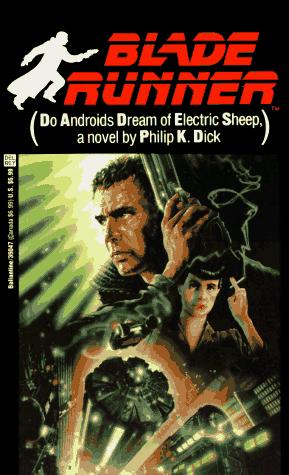
Ok I need to just say it, this book and Blade Runner are barely the same story, and I went in expecting a novelization of a movie I already loved, which is exactly backward. The real animal thing is the part the film mostly drops and it’s the part I think about most now. In this world owning a living animal is a status symbol so severe that people who can’t afford one keep a convincing electric fake and lie to their neighbors about it, and Deckard’s own electric sheep sitting on his roof, pretending to be real, is such a specific, sad, human kind of dishonesty to build a whole moral universe around.
The empathy test is the actual engine of the plot, more than the noir detective structure around it, this idea that the only reliable difference left between human and android is the capacity to feel something for another creature’s suffering, and then the book spends its whole length quietly undermining how reliable that test actually is. There’s a line, “it’s the basic condition of life to be required to violate our own identity,” that I’ve highlighted and reread more than almost anything else I’ve read this year.
Mercerism, the shared empathy-box religion everyone plugs into, is the strangest and least filmable part of the whole novel, and I think it’s also the most Dick thing about it, this genuinely weird, half-satirical, half-sincere invented faith that the movie couldn’t have used even if it wanted to. It makes the book feel less like a detective story wearing sci-fi clothes and more like actual philosophy wearing detective-story clothes.
Short book, dense book, a little disorienting in the way Dick’s prose always slightly is, reality never quite sitting still under you. I wouldn’t call it a perfect novel, the plot machinery creaks in places, but the ideas in it have outlived the decade they were written in by a wide margin. Worth reading even if, maybe especially if, you already love the movie.